

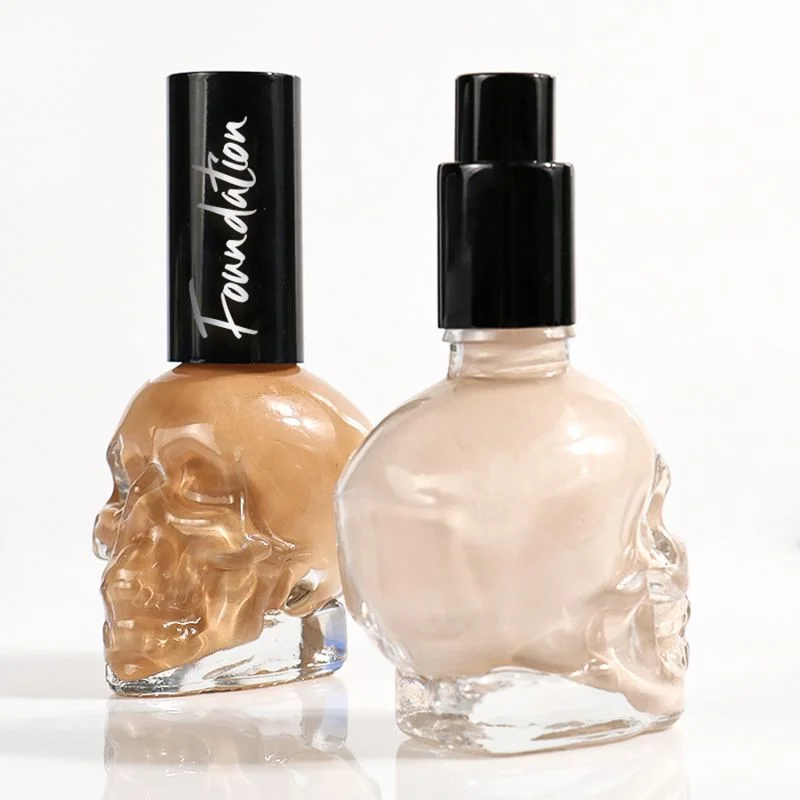
Liquid Foundation: What If Better Makeup Starts With Using Less?

Most people think good makeup needs more.
More coverage.
More layers.
More products.
More powder.
But what if this idea is wrong?
What if better makeup starts with using less?
This is where Liquid Foundation becomes interesting.
A good Liquid Foundation does not need to cover every detail of the skin. It does not need to create a completely new face. Instead, it can help the skin look more even while keeping a natural appearance.
This changes the way we think about foundation.
The Problem Is Not Always the Foundation
When makeup looks heavy, many people blame the Liquid Foundation.
But the foundation may not be the real problem.
Too much skincare can change the skin surface.
Too much primer can make makeup move.
Too much foundation can make the base look thick.
Too much powder can remove natural skin texture.
The result is often called a “bad foundation.”
However, the real issue may be too many steps.
This is why a lightweight Liquid Foundation can be useful. It gives you more control. You can start with a small amount. Then, you can add more only where you need it.
Less product can create a better base.
Stop Trying to Hide Everything
Perfect skin is not the goal for everyone.
Small pores are normal.
Tiny marks are normal.
Natural skin texture is normal.
A Liquid Foundation should not always hide everything.
Instead, it can create a more balanced look.
For example, you may need more coverage around the nose. You may need less product on the cheeks. You may not need much foundation around the forehead.
This creates a more natural finish.
It also makes the makeup feel lighter.
That is why buildable Liquid Foundation is becoming an important choice for modern makeup routines.
You can control the coverage.
You can create light coverage.
You can also build medium or fuller coverage when needed.
Your Face Does Not Need One Level of Coverage
This is another way to rethink foundation.
Why should every part of the face have the same amount of product?
It does not.
Different areas have different needs.
The center of the face may need more coverage. The outer areas may need less. Some areas may only need a very thin layer.
A flexible Liquid Foundation allows this approach.
Apply less product to areas that already look even.
Add more product to areas that need extra coverage.
The result can look more natural than applying a thick layer everywhere.
This technique also helps create a softer transition between makeup and bare skin.
A Natural Finish Is Not the Same as No Makeup
The phrase “natural makeup” is often misunderstood.
Natural makeup does not mean invisible makeup.
It means the makeup works with the skin.
A natural finish Liquid Foundation can still improve skin tone. It can still reduce the appearance of redness. It can still create a smoother-looking base.
But the skin does not have to look flat.
This is important because modern beauty trends are moving away from one fixed idea of perfect skin.
Skin can look like skin.
Makeup can still look polished.
Both ideas can exist together.
The Strange Advantage of a Good Foundation
Here is the surprising part.
A good Liquid Foundation may become less noticeable as your makeup gets better.
This sounds strange.
But it makes sense.
When the color matches the skin, the texture looks smooth, and the coverage is controlled, people may notice the overall makeup instead of the foundation itself.
The foundation becomes a supporting product.
It does not need to be the star.
This is especially useful for everyday makeup, work makeup, event makeup, and long-wear makeup looks.
Liquid Foundation Is Also About Texture
Coverage gets most of the attention.
Texture deserves more attention.
A foundation can be light, creamy, fluid, silky, or more concentrated. Different textures can create different makeup results.
A lightweight Liquid Foundation may work well for a fresh everyday look.
A fuller coverage formula may be better for a more polished appearance.
A buildable formula can offer both options.
The key is not simply choosing the highest coverage.
The key is choosing a formula that works with the desired finish.
Do Not Let Powder Decide Your Makeup
Another common habit is using too much powder.
Powder can help reduce shine. It can also help set makeup.
But too much powder may make a Liquid Foundation look dry or heavy.
Instead of covering the entire face with a thick powder layer, consider where you actually need it.
The T-zone may need more control.
Other areas may need less.
This simple change can keep more natural skin texture visible.
It can also help the Liquid Foundation look more skin-like.
What Brands Should Learn From This
There is also a lesson here for beauty brands.
Consumers are not always looking for the most complicated product.
They may want one Liquid Foundation that is easy to use.
They may want adjustable coverage.
They may want a comfortable texture.
They may want a natural finish.
They may also want a formula that works for different makeup styles.
This creates opportunities for cosmetic brands, private label brands, and beauty startups.
A well-designed Liquid Foundation does not need to solve every makeup problem.
It needs to solve the right problem.
The Future of Foundation May Be Less Obvious
Foundation does not have to look like foundation.
That may be the biggest shift.
The future of Liquid Foundation may focus less on heavy coverage and more on flexibility.
Light coverage when you want it.
More coverage when you need it.
Natural texture when you want your skin to show.
A polished finish when you need a stronger makeup look.
One product can support different routines.
That is more useful than following one fixed makeup rule.
Final Thoughts
Maybe the best foundation is not the one that hides the most.
Maybe it is the one that gives you the most control.
A good Liquid Foundation can even out the complexion. It can build coverage. It can create a smooth-looking base. Most importantly, it can work with your skin instead of fighting against it.
So the next time you apply foundation, try a different question.
Do not ask:
“How much can this foundation cover?”
Ask:
“How little do I need to create the look I want?”
That small change in thinking can completely change the way you use Liquid Foundation.